The Indian education sector is undergoing a transformative phase, driven by the continued implementation of the National Education Policy (NEP) 2020. Ms. Niru Agarwal, Managing Trustee of Greenwood High International School, has shared insights into the significant shifts redefining the education landscape.
“The education sector in India is at a crucial juncture,” says Ms. Agarwal. “The NEP 2020 emphasizes competency-based learning, inclusivity, and flexibility, aiming to move beyond rote memorization to skills-focused, real-world problem-solving approaches. This shift is reshaping learning environments and fostering a holistic approach to student development.”
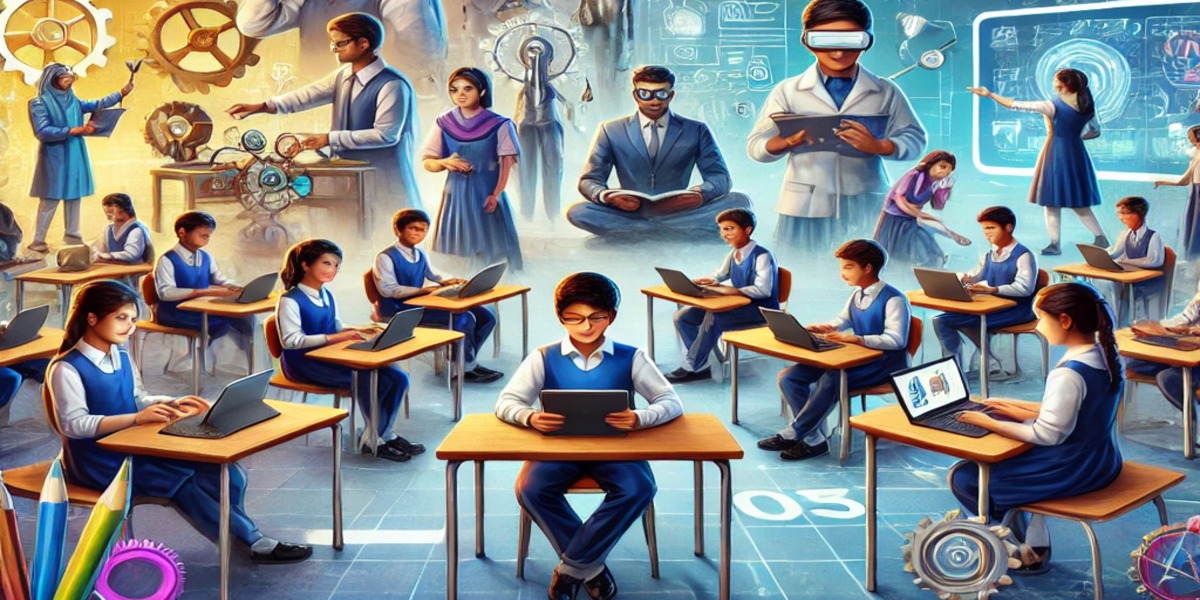
The past year has witnessed several advancements, including the integration of technology and digital learning tools, the gamification of education, and the rise of vocational and skill-based training programs. According to Ms. Agarwal, “There has been a growing emphasis on introducing students to tech-based solutions and hands-on learning through gamified experiences, preparing them for real-world challenges.”
Additionally, international collaborations and exchange programs have gained momentum, and there is a noticeable increase in the popularity of humanities and arts as viable academic options. “These developments are not just limited to urban areas. Enhanced access to quality education in tier-2 cities and remote regions is a testament to the commitment to equity,” she adds.

Ms. Niru Agarwal, Managing Trustee of Greenwood High International School.
Challenges and Priorities
Despite these advancements, challenges persist. “Today, education systems continue to face hurdles in effectively supporting learning and overall student development in an increasingly complex world,” Ms. Agarwal explains. Equitable access to education remains a top priority, particularly in rural and economically disadvantaged areas.
Ms. Agarwal emphasizes the need for a balanced approach. “We must build the right combination of digital, physical, and on-the-job classroom infrastructure to improve learning outcomes. Increasing women’s participation in STEM fields is also crucial, alongside creating an enabling environment for private-sector involvement in establishing new institutions.”
Looking Ahead to 2025
The education sector is pivotal in driving a nation’s economic growth and development. According to Ms. Agarwal, the future of Indian education is poised for even greater changes by 2025. “We can expect greater industry partnerships to provide students with hands-on, real-world exposure. Holistic assessment models will replace traditional examinations, fostering a more comprehensive approach to learning,” she predicts.
This evolution is expected to make education more engaging, inclusive, and aligned with the demands of the modern world. “The future of Indian education will be marked by innovation, inclusivity, and a commitment to preparing students to face the challenges and opportunities ahead,” concludes Ms. Agarwal.
As India’s education system continues to evolve, the focus on competency-based learning, equitable access, and technological integration ensures that students are well-equipped to thrive in a rapidly changing global landscape.